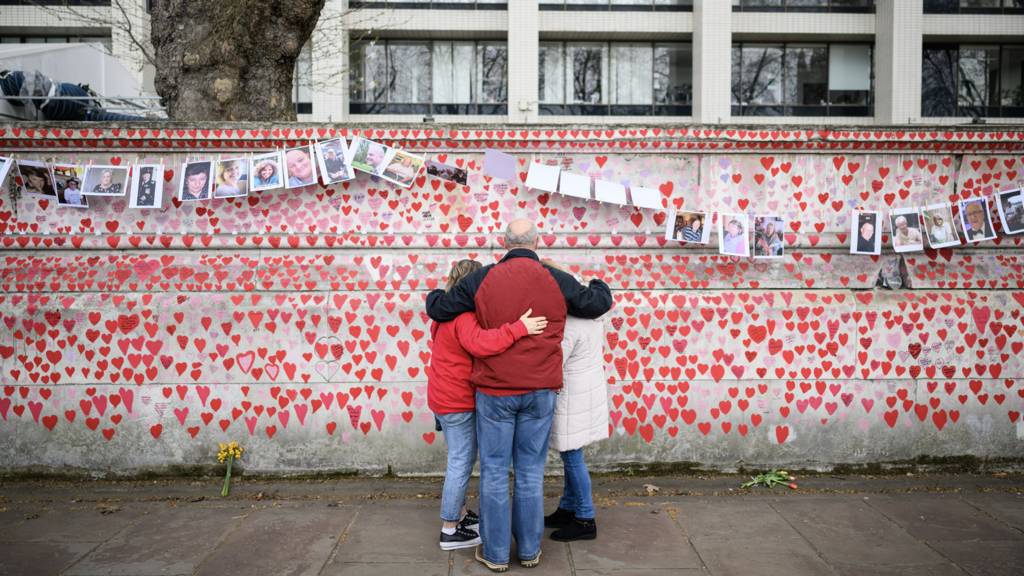
Analysis of what witnesses said at the Covid-19 inquiry and other sources suggest that Britain was ill prepared for the pandemic, and went into the first lockdown far too late, and as a result many lives were lost, the NHS more or less collapsed in the sense that staff were subjected to intolerable pressures from having to cope with far too many very sick patients. Indeed, as a result Britain was to go on to spend more time in lockdowns than many other countries in the world and to have the highest wave one death toll in Europe.
But what was actually going on in those first three months of 2020? This blog draws on press and other analysis, including from the well researched book by George Arbuthnott and Jonathan Calvert ‘Failures of State’, and from the Module 2 Covid Inquiry hearings which examined political decision making. It also adds a personal perspective about how my household instituted our own lockdown whilst most of the world around us carried on as normal.
The year leading up to 2020
If we cast our minds back to 2019, Britain was engaged in a fraught debate about how to implement (or not) the results of the Brexit referendum of 2016 on whether the UK should withdraw from the European Union. In September 2019 Prime Minister Boris Johnson attempted to suspend parliament in the run up to the House of Commons vote on Brexit in October. This was however, ruled unlawful by the Supreme Court in a landmark judgement. The subsequent amendment to the withdrawal from the EU bill was defeated and Boris Johnson called a general election for 12 December 2019 which he went on to win with a significant commons majority. It gave Johnson the mandate he sought from the electorate to formally implement the withdrawal of the United Kingdom from the European Union, and to complete the repeal of the European Communities Act 1972 on 31 January 2020.
Over the chaotic period we know that politicians and politicians were focused in the main on Brexit to the neglect of almost every other area of policy. However, when asked about this at the module one Covid Inquiry hearings in summer 2023 former Minister and leading Brexit campaigner Michael Gove, rejected the idea that people were distracted arguing instead that the intensity of activity over this period meant we were ‘match ready’ for the pandemic!
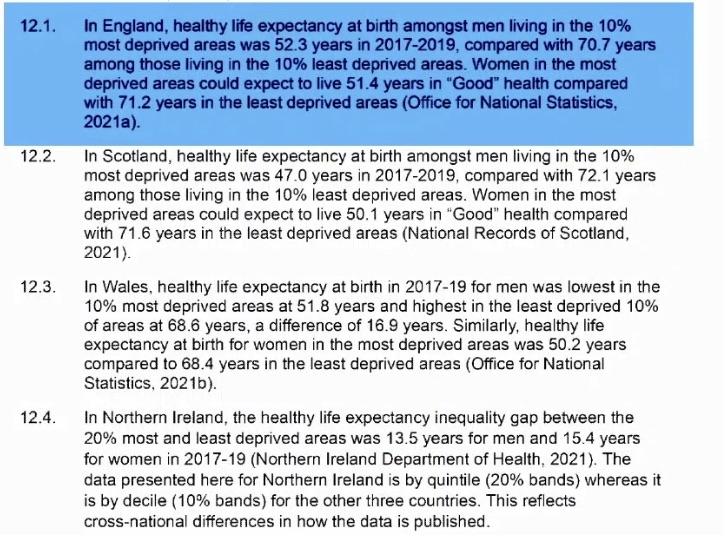
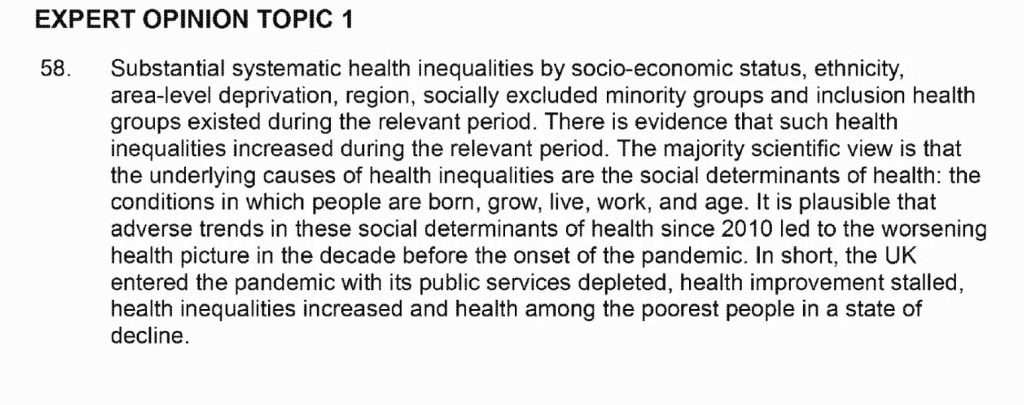
Nevertheless, after years of funding cuts in real terms the NHS was not in a good place to cope with any kind of emergency. Waiting lists were growing – even though hardly anyone had to wait for over a year; it was increasingly difficult to get a GP appointment, and health inequalities were soaring. The following clips from the evidence of Professors Michael Marmot and Claire Bambra illustrate the inequalities well.

The UK also had far fewer hospital beds, ICU beds and ventilators than most other developed nations.
My family had had a difficult year. My husband contracted sepsis in November 2018 with significant post sepsis symptoms, and possibly as a consequence went on to acquire another serious illness requiring three urgent operations in March 2019. He was then diagnosed with a third illness – cancer – in Autumn 2019. As we headed towards 2020, various bone and PET scans revealed that the cancer had not spread but treatment needed to start urgently.
The possibility of a deadly virus, and the UK’s lack of preparations for such an event was far from being at the front of our minds.
Yet we now know from Module 1 of the Covid Inquiry which reported in summer 2024 – see visual summary, exactly how unprepared the country for a pandemic and in particular, lacked the flexibility to deal with anything other than a flu pandemic. Inadequate and sometimes complex structures, planning, and risk assessments and an over- reliance on a very narrow range of scientific expertise compounded the problems coupled with a failure by politicians to effectively challenge the advice they were getting. The module one report makes a number of recommendations calling for a complete overhaul of the system of pandemic planning.
January 2020
Reports of a strange illness in China, particularly the city of Wuhan, began to emerge in December 2019 and on New Years Eve the Chinese Authorities decided to tell the World Health Organisation about a number of cases of pneumonia in Wuhan. In Whitehall Deputy Chief Scientist Jonathan Van Tam told the Covid Inquiry module two hearings that by mid January his instincts were that this would lead to a global pandemic.
The virus spread rapidly as dire scenes from hospitals in Wuhan and across China were reported. Wuhan was the first city in the world to be placed in lockdown on 23 January 2020.
By late January 2020 COBRA and SAGE committees held their first meetings as it became evident that Covid-19 was spreading outside the source city, Wuhan and an increasing number of cases were reported outside China. Moreover, key commentators in the UK, including Professor Neil Ferguson, began to warn that the virus was very highly infectious and that there were far more cases in China than were being reported and that the virus had spread to a number of countries more than was being acknowledged. Yet the decision made by WHO on 23 January 2020 not to declare the China outbreak of coronavirus as a public health emergency of international concern was widely criticised by a number of scientists . However, this was largely ignored by the media which was focused on Brexit.
Then on 29 January the first two acknowledged cases of Coronavirus were detected in the UK when two Chinese nationals fell ill with the virus at a hotel in York. This was greeted with alarm in some quarters but it was not surprising given that since the start of the year about 190,000 people had been allowed to fly into Britain from Wuhan and other high risk cities and travel freely across the country without any kind of testing or restrictions. And on 30 January the WHO declared the coronavirus threat to be a public health emergency.

During this period Prime Minister, Boris Johnson took little or no interest in the virus, and very unusually for a PM, failed to chair the first COBRA meeting on the subject. He was distracted as the 31 January 2020 marked his crowning achievement – Brexit day. In effect Britain was celebrating it supposedly new found freedoms at the very moment when a dangerous virus was creeping up on the world that would require an almost unprecedented level of international co-operation.
1st to 24th February 2020
During January life had been carrying on much as usual in the UK. My household tends to keep a very close ear to the ground regarding politics and international news and threats in general. This was particularly true at this point in time due to my husband’s health conditions and on-going cancer treatments which at that point consisted of regular injections and oral pills. We knew that we had to avoid him catching colds or viruses. Nevertheless we still went out to local shops and appointments when necessary, and did not wear any kind of mask at this point.
As the first few days of February progressed however, alarm bells grew louder and my household became very aware that something big was coming, even though at the time the virus was thought to be largely confined to countries in Asia.I was aware from my time working in Whitehall and from what people had said to me, that civil servants and ministers would be distracted by Brexit and the government would not be prepared for a major emergency. Moreover, I knew that they were unlikely to come clean about the scale of any threats posed. I knew we would need to use our own judgement from that point on. And I was right. Testimonies to the module 2 hearings of the Covid Inquiry reveal the scale of the chaos in Downing Street, the tensions within the government machinery and the lack of interest in what was happening with the virus, particularly by the PM. This is documented in a BMJ article and elsewhere. When asked about the period by Hugo Keith KC Boris Johnson said this:
Asked why information received by the UK government on 29 January 2020 about covid-19 spreading outside China hadn’t provided a “light bulb moment” for him and Whitehall, he said, “If we had collectively stopped to think about the mathematical implications of some of the forecasts that were being made and we believed them, we might have operated differently. The problem was that I don’t think we attached enough credence to those forecasts, and because of the experience that we’d had with other zoonotic diseases, I think collectively in Whitehall there was not a sufficiently loud enough klaxon of alarm.”
When reminded of evidential documentation disclosed to the inquiry showing that he had warned against “an over-reaction” to covid, Johnson described himself as “agnostic” at that point.
Indeed, a number of witnesses to module 2 of the Inquiry, including Dominic Cummings, then Johnson’s chief of staff, said Johnson liked to think of himself to the mayor in the film Jaws, who kept the beaches open in order to protect the economy of the town despite evidence of a Great White Shark swimming off shore.
After the first few days of February my household began to take active steps to protect ourselves. I attended my last appointment with my osteopath on 4 February and I went into central London to a hairdressing salon for the last time on 12 February. I continued to attend my weekly language class in a nearby town in the outer suburbs of London up until the February half term. We also started arranging home deliveries of food and I took out an Amazon Prime subscription and organised regular milk and breakfast pastries deliveries.
At the time stories began to emerge about how easily the virus could spread. By Saturday 8 February a story started to be reported about a British registered cruise ship – the Diamond Princess – moored off Yokohama, south of Tokyo.The press began to report daily about the people who were forced to live in their cabins as the virus spread throughout the ship.
Meanwhile the government, mainly in the shape of the then health secretary Matt Hancock, continued to be upbeat about the spread of the virus and the UK’s preparedness for a pandemic should the situation worsen. The Covid inquiry and many other sources have laid bare just how untrue the picture presented was.
This period around mid February saw a small number of stories appear in the press, sometimes raising alarm bells about the virus.For example, on 11 February the Daily Mail ran a story about the deep cleaning of a Brighton Healthcare centre and demanded to know whether locals were being told the truth. At the same time a patient with the virus travelled to Lewisham Hospital by Uber which sparked alarm in some quarters about how easily the virus would be able to spread through a densely populated city like London.
The school half term holidays began in England on Friday 14 February and I attended my last ever in person language class on Thursday 13 February 2020 (we resumed on-line from April and I still to this day attend on-line language classes). Meanwhile the PM accompanied by his girlfriend retreated to Chevening in Kent to work on his book on Shakespeare and sort out elements of his messy second divorce. During his working holiday Johnson failed to turn up to chair the 5th COBRA meeting about Covid and, according to Arbuthnott and Calvert, also missed the opportunity to join a conference call with EU leaders to discuss the pooling of resources to deal with the threatened Covid crisis.
24 February – 24 March 2020

My household was already in semi lockdown by the end of half term week but the PM was still failing at that point to take the virus seriously. On the day that he returned from Chevening there were real fears expressed that the world had reached a tipping point and from a European perspective, the virus was spreading fast in the Lombardy region of Italy. During that week the media began to take the virus more seriously, and even in Downing Street the PM’s senior political advisor, Dominic Cummings, was said to be worried. I made my final trip to a local Waitrose and was a little surprised at the visible sense of panic with people clearing the shelves of chicken (for freezing,) cans, toilet rolls, cleaning products and alcohol. Some schools began to close and GPs started to warn about the country’s lack of preparedness for a pandemic. The stock markets also began to be hit by a serious fall.
The SAGE committee met in secret where it saw a forecast that about 80% of the population would become infected which meant a death rate of hundreds of thousands if 1% of them died. In his evidence to Module 2 of the Covid Inquiry SAGE member Professor Graham Medley said:
“no secret” by the end of February 2020 that the NHS would be overwhelmed by Covid cases”.
However, the SAGE minutes failed to record the high levels of concern expressed about the NHS becoming overwhelmed, yet Medley told the Inquiry that everyone was aware of what was said, including the PM’s top special advisor Dominic Cummings who had dialled into the meeting. As discussed in other blogs, my view is that it is unacceptable that this information was kept secret. Yes, it would have caused panic, but it was surely the right thing to do at this point in time as it would have forced the governments hand and could have prevented many many deaths.
The PM did begin to show interest towards the end of the week starting 24 February and it was announced that he would be chairing a COBRA meeting on the virus on Monday 2 March. On that Friday – 28 February he called the TV cameras into number 10 and told the public that coronavirus ‘was now the governments top priority’. Nevertheless, the PM headed off to Chequers for the weekend and took the view that bringing forward the 2 March meeting of Cobra was unnecessary.
Meanwhile an increasing number of people across politics were calling for him to take the virus far more seriously. On Sunday 1 March 2020 a number of newspapers ran alarming stories about the spread of the virus and the Observer called for decisive action from the government.
My diary reveals that we spent a quiet weekend reflecting on the results of tests discussed at a consultation with my husbands consultant we had on the previous Friday the 28th, the outcome of which was that following a series of injections that started in the previous December, the next stage of his cancer treatment (radiotherapy) could go ahead from late March/early April (it did not – it was delayed until mid June). This reinforced our thinking and behaviours regarding the need to stay safe.
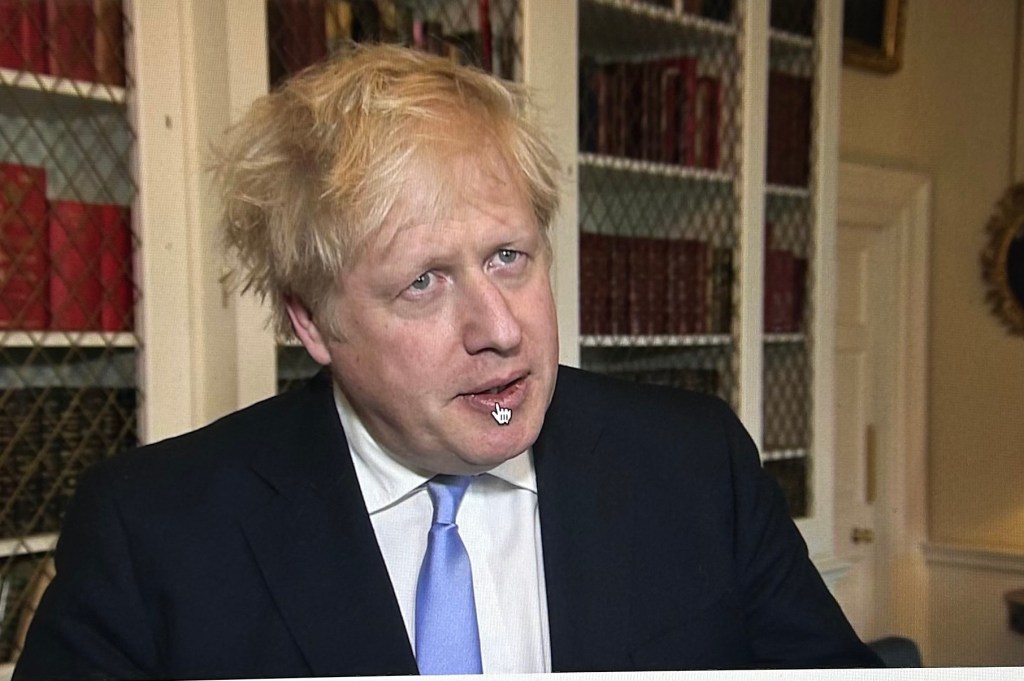
After the COBRA meeting on 2 March the PM made a televised address in front of some metal bookcases at number 10. He said the virus was likely to spread but the country was incredibly well prepared with the ‘fantastic’ NHS, testing systems and disease surveillance. He reminded people that the most useful thing they could do to help the NHS was to wash their hands singing two verses of Happy Birthday! From that point onwards the public began to latch onto the idea that washing their hands could protect them from the virus! This is despite the fact that Covid-19 was SARs CV2 and they must have known that the SARs-CV1 outbreak which occurred at the start of the century across a number of Asian countries was airborne.
By Tuesday 3 March several countries including New Zealand were already in lockdown at the same time as having banned flights from China over a month earlier. This effective containment strategy meant New Zealand had only a tiny fraction of the number of deaths that the UK experienced and was also in a position to start reopening the country by early April. Yet the UK would continue to ignore these clear lessons of ‘go early’ ‘nip it in the bud’ throughout 2020 and most of 2021.
On this day the Department of Health published an action plan which set out a contain, delay, research and mitigate strategy. A weakness of the approach was that Covid-19 was far more deadly than influenza which the strategy appeared to be based on, and the virus was already rampant and spreading in the UK. Also on 3 March chief medical officer Chris Whitty chaired a meeting of SAGE at which the inadequacy of the published action plan became crystal clear given the modelling that was presented at the meeting and the lack of capacity and expertise in testing and contact tracing. This lack of capacity was key as we know that a small number of countries with capacity – most notably South Korea managed to avoid imposing lockdowns at the same time as enjoying relatively low case numbers and deaths.
By this point I have been missing from my in person language class for over two weeks. I believe that after a very good attendance in the week after half term, the numbers had begun to dwindle by this point, particularly amongst the female members of the class. My household was effectively in lock down at this point.
Despite the dramatic changing behaviours taking place across the world regarding things like shaking hands, at a news conference PM Boris Johnson reported that he had been in a hospital, and there were a few coronavirus patients, but he shook hands with everyone. By the next day, 4 March Italy had closed all its schools and universities in the light of the rapid increase in deaths from Covid-19.
Around about this time it was becoming very clear from lab. confirmed evidence from ICU deaths that Covid was spreading amongst people with no travel history as Professor Steve Riley told Module 2 of the Covid Inquiry.
As the week went by some key players in number 10, including Ben Warner, also became increasingly concerned that community transmission within the UK was taking place and that Covid-19 was not simply something we needed to worry about only if someone had travelled abroad. Despite this, and the rapidly escalating situation in Italy, the weekend sporting fixtures went ahead as normal. Indeed, the PM and his girlfriend joined a 81,000 strong crowd to watch England beat Wales in the six nations championships.
It was that weekend that I became aware of some neighbours making plans for working at home, including in at least one case purchasing desks and office chairs and reorganising space and furniture more generally to create office space.
In fact, in my experience, the country was dividing into people who could see what was coming down the track and were making sensible plans accordingly, and those who were striving to carry on regardless – often joking about it. The dividing lines between three groups which are still in evidence today were forming: – 1. the covid cautious – often but not always clinically vulnerable and their households; 2. fairly sensible, want the evidence, want the government to tell them what to do, take some risks and 3. the bury heads in the sand and carry on as normal group with no regard for their own health, and very importantly, no regard for the NHS and for society as a whole.
According to his evidence to the Covid Inquiry, Monday 9 March was the day that Professor Riley was of the view that the UK should have gone into lockdown thus saving many lives. My diary reveals that I was due to attend a lunch in central London with a number of former male colleagues who were in their late 60’s or 70’s and were all in considerably worse health than I was. I did not attend but as far as I am aware I was the only person from the group who did not. At the time I considered this to be foolish beyond belief, particularly as they are people with the kinds of experiences that should have enabled them to read the political situation and known perfectly well that Whitehall and its agencies would be in chaos. However, as ever at this point I kept my views to myself.
By this point three deaths in the UK due to Covid had been officially reported and the situation elsewhere was rapidly deteriorating, particularly in Italy and several countries were effectively in lockdown their governments having laid out the facts about the dangers and rapidly deteriorating situation.
This was brought closer to home when the daughter of a neighbour was forced to return to her home from a skiing holiday in Austria following an outbreak at the resort she was staying in. According to her parents they were all transported over the border into Germany and more or less left to work out how to get home for themselves. Soon afterwards she developed a very nasty dose of Covid-19 and was poorly for weeks.
We also know from the module 2 hearings that concern amongst officials in Whitehall was growing by the hour by this point.
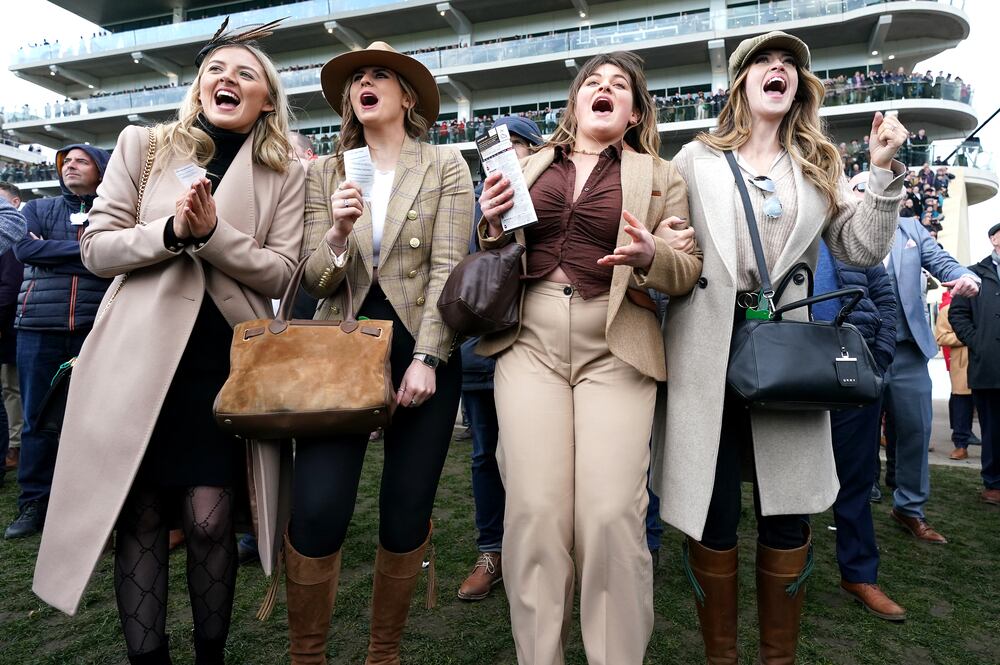
On the next day, 10 March more than 60,000 people, including several members of the British Royal family, flocked to the first day of the Cheltenham Festival despite the fears being voiced by local politicians about the dangers this posed to the local population who had to endure such a large number of people crowding into the area. Overall, about a quarter of a million people attended the event over the week. It was to prove to have been a disaster in the analysis of many people including former government chief scientist Sir David King.
Many of those attending went on to contract Covid-19 after they had returned home to different parts of the country and quite a number of people died. One of these people was Paul Townsend 61, a racehorse owner from Stratford upon Avon. He had left the race meeting on Thursday 12th March with his wife and they both began to feel unwell on the Saturday. A week later he was rushed to hospital, put into an induced coma and placed on a ventilator. He died a few days later. His wife Geraldine was reluctant to blame the race authorities and told Arbuthnot and Calvert 2021 that:
‘everyone did what the government told us to do’. ‘I don’t know why we were so ill informed. ‘Both of our sons live in Denmark and they were already in lockdown when I feel ill’.
Then on Wednesday 11 March more than 3,000 fans travelled from the worst affected area of Spain to mix with a 52,000 strong crowd and watch Athletico Madrid play Liverpool at Anfield. This was despite the fact that all football matches in Spain were, by this point, being played behind closed doors to empty stadiums.
Later that very day the World Health Organisation declared a global pandemic.
In these first few days of the week the PM and his advisors were already admitting that they would not be able to control the spread of the virus and some kind of measures to restrict the spread such as self isolating at home in the event of falling ill, would be needed, but not for another 10 -14 days!
Around this time Italian doctors were urging the world to prepare for what was already happening in Italy, including by rapidly increasing ICU capacity given they estimated that about 10% of patients required an ICU bed. But we know from what Deputy Cabinet Secretary, Helen MacNamara told the Covid Inquiry module 2 hearings that this was treated lightly which stemmed from an overconfidence emitted by a macho, mayor in Jaws ie. PM Johnson and some of those around him who thought that we were somehow better prepared than the Italians had been.
Herd Immunity
It is difficult to explain in rational terms the UK reluctance to act, but Arbuthnott and Calvert point to what is thought to be one of the key reasons why events were allowed to go ahead and why stronger measures were not introduced despite the clear evidence from abroad. The concept of ‘herd immunity’ had never been explained to the British public at that point, but the idea was that despite the lack of vaccines, the modelled high mortality rate and lack of adequate NHS resources to treat patients, people needed to catch the virus in order to ‘build up immunity’.
This was also a reflection of the view in some quarters that the UK had few options based a false belief held within government that the British public would not tolerate a lockdown. This has of course been exposed as folly subsequently, but loud questions were also being posed at the time by various players in the academic and scientific world, including from Professor Steve Ridley whose paper to SAGE based on his modelling of the impacts of adopting a herd immunity approach painted a bleak picture. This was kept secret and never reached the public eye. And from what Dominic Cummings said under oath at the Covid Inquiry he had been feeling very worried about herd immunity from earlier in that week given the rapidly evolving evidence on the seriousness of the situation in countries that were hit early on.
Then on 11 March the head of the government’s Behavioural Change Unit, David Halpern mentioned the concept and this was to prove highly unpopular with the public.
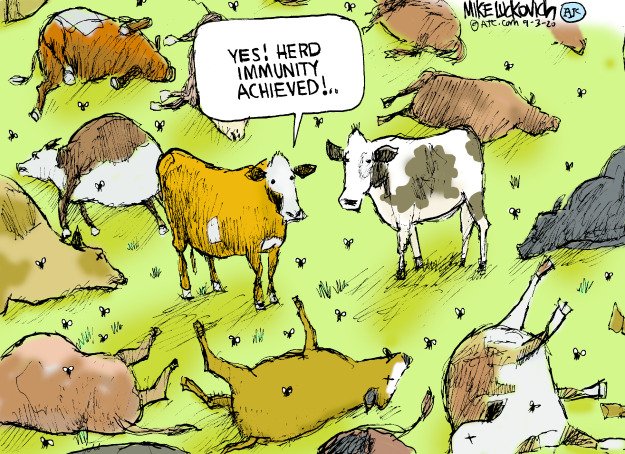
In reality we know from the Covid Inquiry module 2 hearings and documents that what was going on in the centre of government by that point in time, was more nuanced than a simple ‘rely on herd immunity’ approach. For example, we can see from Dominic Cummings what’s app exchanges that politicians, including Johnson, were, at times, nervous about the idea and preferred to see it was a consequence of rising infections, not as a strategy in itself aimed at encouraging people to get infected.
Nevertheless, the idea did continue to resonate with some people. This includes the current Cabinet Secretary and then Permanent Secretary at the Department of Health and Social Care who admitted to the Covid Inquiry that on 12 March 2020 he, along with the then Cabinet Secretary, Sedwell, were still advocating protecting the vulnerable, and adopting a chicken pox party approach for the rest of us in order to build up immunity. The following clip from module 2 of the Covid Inquiry captures this and the point that he was disappointed that not everyone, including senior politicians, were as enthusiastic on the idea as he was.

This is extraordinary given that it could be seen from Italy and France (see for example Dominic Cummings what’s app messages), that middle aged and sometimes young people were being admitted to hospital ICUs with Covid, there was little knowledge at the time about the long term consequences of having a Covid infection (which we now know is a problem), we did not know whether people would acquire any herd immunity, and as we have seem from this website, identifying the clinically vulnerable, and even CEV (clinically extremely vulnerable) people and protecting them proved to be difficult in practice.
Following the Science
Meanwhile, also on 11 March, Boris Johnson held a cosy fireside chat with deputy chief scientist Jenny Harries to help to defend the government’s relatively under powered strategy. When one plays it back, we can see that some of what was said was good, some was perhaps easy to forgive, but some of gross inaccuracies presented are unforgivable and fly in the face of modelling, and other available evidence at the time. Essentially she confidently presented the approach, including the timing of any future lockdown, as well worked out and underpinned by data.
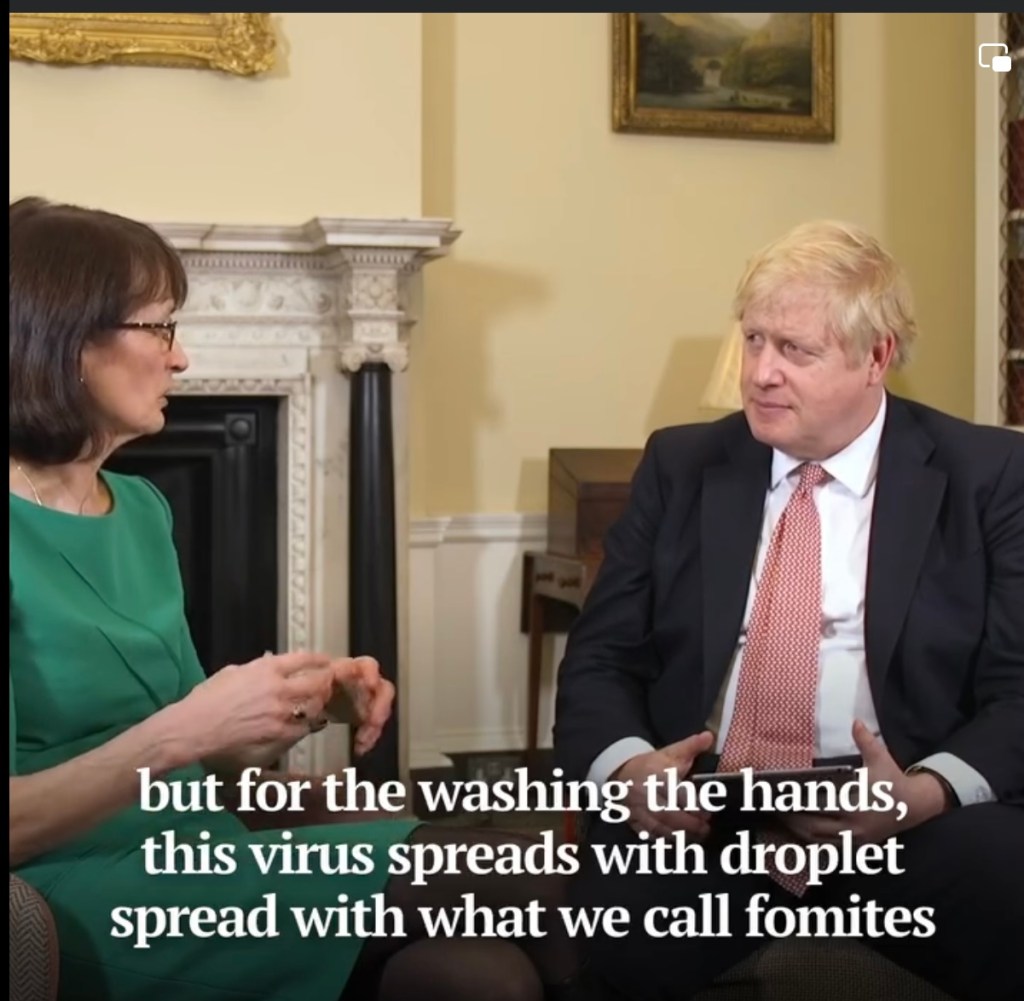
Harries’s words : ‘I am absolutely delighted that we are following the science’ stuck in the gullet of many people and, indeed, continue to do so. Indeed in her evidence to the Covid Inquiry Deputy Cabinet Secretary Helen MacNamara thought it was wrong to hide behind what was after all imperfect science on which there was not consensus (despite the ‘group think’ type efforts to silence disagreements and uncertainties, in public presentation at least). In the words of McNamara:
” The questions about how to respond to Covid-19 were – in my mind – huge political, ethical, moral, social and economic questions that went to the heart of the kind of country we were or wanted to be, alongside a whole set of relentlessly practical operational issues like supply of food and medical equipment. There would be hard choices and they should be made by elected ministers“.
Out of control – heading for lockdown
We also know from witnesses to the Covid Inquiry that many academics, government scientists, special advisors and some cabinet Ministers thought we ought to go into lockdown at least a week earlier than we did. Yet in his evidence at the Covid Inquiry in December 2023 Boris Johnson maintained his line that the first lockdown was ‘timely’.
Following a COBRA meeting on 11 March – the tone changed somewhat and in his evening press conference PM Johnson announced that the virus was more widespread than previously thought (by the UK government!), and he uttered the words ‘many more families are going to lose loved ones’. However, apart from announcing the dropping of previously introduced attempts at contact tracing, to the astonishment of many external experts, the only additional measure was that people should stay at home if they experienced coronavirus symptoms.
He did nothing at this point to suggest that large sporting events should not be happening. Yet the Covid inquiry hearings reveal that no one seemed to have thought through that even if people were sitting or standing in the open air, they would be making journeys on crowded public transport and going to pubs and restaurants before and after events, as well as crowding into small spaces to get into and out of grounds. Perfect conditions in which the virus spread. It is to the credit of many football clubs and other sporting venues that they cancelled the weekend (14/15 March) fixtures on their own initiative, often at great financial cost to themselves.
Experts were becoming increasing frustrated with the piecemeal, small scale, wait and see approach by the hour. Speaking in the Guardian and on BBC Question Time on 12 March Prof John Ashton, former regional director of public health for North West England, said:
“This is a kind of ragbag with no particular logic to it … they are issuing some semi-directive things but they are not really doing what we need to do, which is to mobilise and encourage communities, neighbourhoods, families to form their own plans for the next period in which the local situation will influence what happens – whether it’s not going out to eat, or stopping sporting events.”
At the same time former Tory party leadership contender Rory Stewart said it was clear from looking around the world that we need to act today – to shut schools, to stop big gatherings and to start working from home.
We know from the Covid inquiry hearings that Friday 13 March 2020 was a key date when it dawned on an ever increasing number of key figures including senior advisors in number 10 and Health Secretary, Matt Hancock, that the virus was out of control and disaster was looming.
The newspapers on that morning had not made happy reading for the Government (or for the public!) as an increasing number of commentators were asking loud questions about why the government was not doing more.
It was clear that the situation in London Hospitals was by then dire and the London Ambulance service was forced to change the criteria for the severity of symptoms needed for someone to be taken to hospital – sometimes with tragic consequences.
Nevertheless, the idea of herd immunity was still being talked about in some quarters and was generating an increasing amount of criticism in the media. According to Arbuthnott and Calvert (2021) the Italian counterparts of both the PM and Health Secretary were strongly advising them against herd immunity on the grounds that the disease was too severe, was leading to many deaths and it would not work anyway.
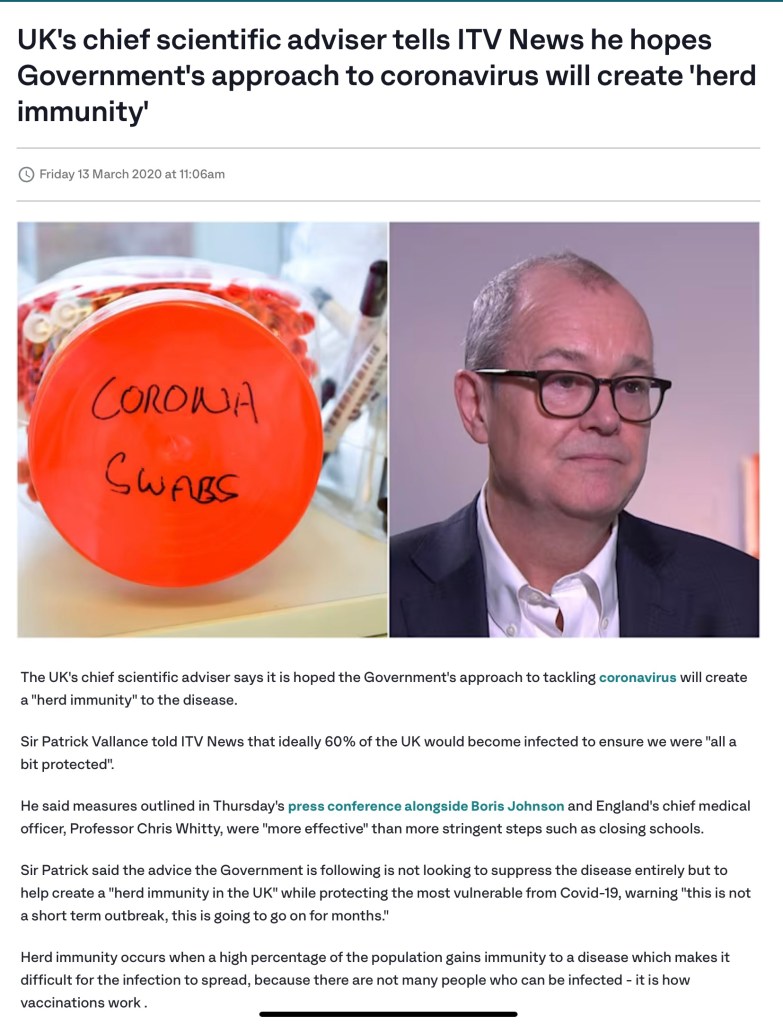
Despite this, on the Today programme and other news channels that morning of 13 March, Sir Patrick Vallance, government chief scientist, was also still clinging to the idea of herd immunity as a strategy- see caption below.
Towards the end of that week I personally became increasingly aware that things were changing. We live in an outer London suburb and the sound of ambulance sirens in the distance was a reminder that something was happening. Neighbours also started to work at home and were suddenly visible during the day. I am also aware that attendance at my in person Spanish class had fallen dramatically to three men. Round about that time I realised that the two HEPA filters we have bought 18 months earlier because of dust from building work next door would be very useful in cleaning the air of the virus. I studied the user manuals and brought these into immediate action in two rooms.
By Saturday 14 March it was evident that UK policy was falling apart. On that day over 200 scientists published an open letter criticising the government’s approach and calling for immediate social distancing measures in order to save thousands of lives. At a cabinet meeting on that day a number of sources confirm that the key decision to change the strategy from one of herd immunity to stronger measures including lockdown was made. Writing a month later, Bloomberg claimed that the key day was 16 March 2020 after key opportunities to contain the virus and save lives had been lost.
What followed thereafter was dither and delay despite the increasingly alarming TV pictures coming in from Italy and elsewhere. There seemed to be a view that the public would not tolerate a long lockdown despite all the evidence, even then, that controlling the spread of the virus to a semi manageable level would lead to a shorter lockdown and less economic damage (as happened in a number of countries that lockdown early). This was surely common sense, and was being argued by Professor Susan Michie whose SpI behavioural committee was meant to be advising the CMO, but it was ignored by the government. During the rest of that weekend Johnson was at Chequers hosting a baby shower with his then girlfriend.
We spent another quiet weekend in our local area. It was clear that all of the people we met on our walk knew that we were heading for lockdown and that London was significantly ahead of the rest of the country in the speed at which the virus was spreading. Again, the sound of ambulance sirens was in evidence. But again people that we spoke to at a distance seemed to split into two groups – firstly, those that were largely in lockdown and were actively making final decisions about whether elderly relatives should be invited to stay for the duration, for example, and secondly, those who were keen to make the most of the final days of freedom.
By this point we had a firm date for the start of my husband’s radiotherapy – 8th of April, but in all honesty we knew that it would not happen then and this was indeed confirmed in the final week of March.
On Monday 16 March Professor Steve Riley noted that more people were starting to change their behaviour, but as he told the Covid inquiry in late 2023, his view was that UK should have been in lockdown since Monday 9 March. Meetings held in London on that Monday focused on how and when to introduce lockdown. One source who attended the COBRA meeting was said by Arbuthnott and Calvert to be shocked by the PM’s lack of grasp of the basics about the virus. For the first time London mayor Sadiq Khan was allowed to attend COBRA and he took the view that immediate action was needed. SAGE which also met on this day also called for instant action.
At the press conference that evening Johnson did call for greater social distancing by working at home ‘if you can’, avoid pubs and restaurants and stay at home if someone in their household was ill. But there was no compulsion. He also announced that :
‘ in a few days’ time – by this coming weekend – it will be necessary to go further and to ensure that those with the most serious health conditions are largely shielded from social contact for around 12 weeks.’
See above
The lack of immediacy was incredible. By then my household had been semi shielding for over a month and I know this is true of many other clinically vulnerable families.
By Tuesday 17 March I woke up later than usual. We live underneath one of the four holding areas for planes arriving at Heathrow and I realised that the large passenger jets from the Far East that normally fly overhead from about 4.30 a.m. were not there.
Later that day the head of the NHS Sir Simon Stevens ordered hospitals to clear at least one third of their beds to free up capacity for the expected surge. This is when the policy of discharging patients back to care homes really gathered pace, which would, of course, have disastrous consequences. At the same time chancellor Rishi Sunak was announcing an unprecedented peacetime support package for businesses and individuals. On this day Boris Johnson also held a video call with manufacturers to encourage them to produce ventilators. At least one of those present revealed that Johnson had wanted to name this ‘operation last gasp’.
At the press conference on Wednesday 18 March the PM announced that the time had come to close schools – but not until Friday! Yet we know that many local parents were taking matters into their own hands and had already withdrawn their children from school from the start of the week.
Meanwhile the PM was trying to carry on as normal and allegedly announced his intention to Dominic Cummings and others that he was off to see the Queen for their normal Wednesday meeting. After a long discussion he allegedly conceded that he had not thought it through and phoned the Queen instead. This was an incredible incident, not least because of the fact that several people who worked inside the rabbit warren of small rooms and narrow corridors of number 10 were by then isolating with the virus. And of course, at the time, the Queen was 93 years old.
As the week drew on it was becoming increasingly evident that there were major problems with PPE in hospitals and there were no where near enough tests available and they were taking far too long to process. Within hospitals it meant staff were having to isolate if they had any symptoms with a resulting loss of large numbers of front line staff. This was despite the fact that private sector labs such as the Francis Crick Institute in London were coming forward offering to provide large scale testing facilities and large numbers of staff volunteers. These offers appeared to fall foul of Dept of Health bureaucracy and were largely ignored at this point.
According to A & C on Thursday 19 March London mayor Sadiq Khan was summoned to a meeting at number 10 at which he pushed hard for an immediate lockdown in London given the dire situation in hospitals in the Capital. He also called for the numbers of people still flocking into the capital from around the world to stop. Johnson accepted this and said they would jointly announce it that day. And the Guardian published on that day also alluded to discussions of this nature. But as reported in Arbuthnott and Calvert, he later backtracked on doing this for fear of spooking the financial markets on a Thursday. The announcement was delayed until Friday 20 March. Something did however, happen on Thursday. The Queen sent a message from Windsor castle and attempted to build up a blitz spirit of pulling together in the weeks ahead.
On Friday 20 March an exasperated French President, Emmanuel Macron phoned PM Johnson and said he was very alarmed about the lack of UK measures to halt the spread of the virus and the fact that people were still travelling to France from the UK. According to Arbuthnott and Calvert (A&C) he informed Johnson that border security staff had been ordered to seal the borders with the UK from midnight that day.
Even at that point it seemed that Johnson had not grasped the point being made repeatedly by Professor Steve Riley and others, that regardless of whether there was a lockdown, the economy would be forced to close down anyway and the UK would have suffered all the damage as well as losing the advantage of getting ahead of the virus.

Johnson was also under pressure from some in his own cabinet to do something. At the press conference that afternoon he announced that all bars, restaurants and other venues would close after close of business that evening. This followed an earlier meeting of COBRA which Johnson had been absent from for no apparent reason. It was chaired by Michael Gove who along with Sadiq Khan and others had called for immediate closure in order to avoid people going out for one last time. The view is that many people complied with this but there were still significant numbers of people who went out to venues, including in London, on that Friday.
Sadiq Khan was calling for an immediate stay at home directive to be issued and said he was going to tell Londoners to stay at home himself. Whether he had the authority to shut down London is another matter, but he was certainly desperately concerned about the situation in London, including the rate of absence amongst transport workers who were key to ensuring that other key workers, including NHS staff, could get to work.
By Saturday 21 March the situation in London was even more dire. The demand for ICU beds and ventilators outstripped demand many many times over. It was a sunny but chilly weekend and many Britains continued to carry on with near normal life, visiting places like Hamstead Heath, parks and national parks in large numbers, and it was crystal clear that many were ignoring guidance on keeping two meters apart from other people outside their households. I think this well demonstrates that, unlike in some countries, parts of the British population could not show self restraint and personal responsibility on a voluntary basis and that compulsion was necessary. At the press conference that evening people were urged not to visit their mother on mother’s days – the following day, but to stay in touch via other methods, although Johnson was somewhat unclear about his own plans.
Unfortunately we were not able to watch it as our electricity went off. This was our first experience of having a workman in the house and staying safe obviously without the benefit of the HEPAs. We wore masks and kept the door open. The engineer who came fixed the problem temporarily but said the entire connector that brings electricity to the house needed replacing, which was a two man ‘routine’ job, and someone would be in touch on Monday.
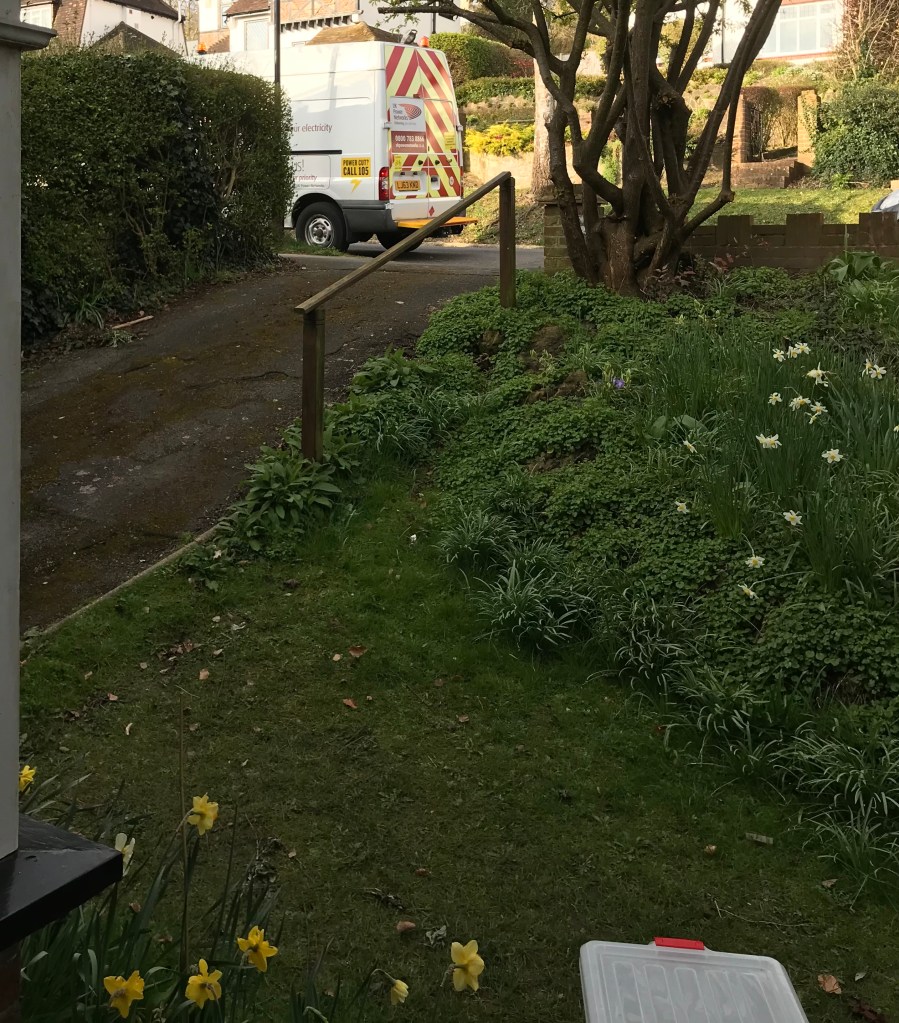
Then in the early hours of Sunday 22 March the electricity went off again. I called 105 and left my husband in bed underneath piles of duvets. The engineer arrived in the pitch black darkness at 4.00 a.m. and got the electricity on again. Once I had explained that my husband was in bed keeping warm because he was ill, he kindly put the job down as an emergency and said someone would be in touch after 7 a.m. that morning.
At about 7.20 a.m. two full sized vans drew up outside and two engineers got to work wearing masks. I was extremely grateful that the work was done speedily and the engineers departed in their separate vans. However, this was not before they stood outside, non socially distanced, enjoying a cigarette together! I think this demonstrates that people did not understand the rules at that point, in time because they had never been fully articulated.
Throughout the day the news was full of speculation about when an Italian style lockdown would be introduced given that it continued to be clear that many people were continuing to go out showing little self restraint or concern about other people. It was also clear that the situation in hospitals, particularly in London, was worsening by the hour. On that day over 600 front line healthcare workers wrote to the PM pleading for protective equipment and making the point that they felt like ‘cannon fodder’ in the battle against Covid-19.
The next day was again a crisp day of late March sun and coldness. Most of our neighbours were working at home by this point and the streets were very quiet, many non essential shops having closed over the weekend despite the lack of compulsion or guidance from the centre of government. It was clear that we were heading for lockdown and later that evening we watched the PM’s broadcast in which he ordered people to stay at home. It was all laid out as though there had been a logical plan up to that point but ‘the time has now come for us all to do more’. Over the next day or so the government proceeded to lay out what people could and could not do in the far more detail that had hitherto not happened. The legality of this has subsequently been questioned, but it happened anyway.
Of course, it was evident from the Covid inquiry hearings that there was little understanding how this would all translate into people’s daily lives – in part, because many of these people did not live, and had never lived normal lives. Indeed, Deputy Cabinet Secretary Helen MacNamara told the Covid Inquiry that the macho culture and a lack of a female perspective at the centre of decision making meant no one in power had a clue about how arrangements for social care, for example, would pan out in practice. We know that the arrangements for clinically vulnerable people were inadequate, and arrangements for home schooling, particularly for disadvantaged pupils without access to the internet or computers, had not been thought through or resourced. People tended to muddle through, or sometimes not, but most of it had precious little to do with anything the government did.
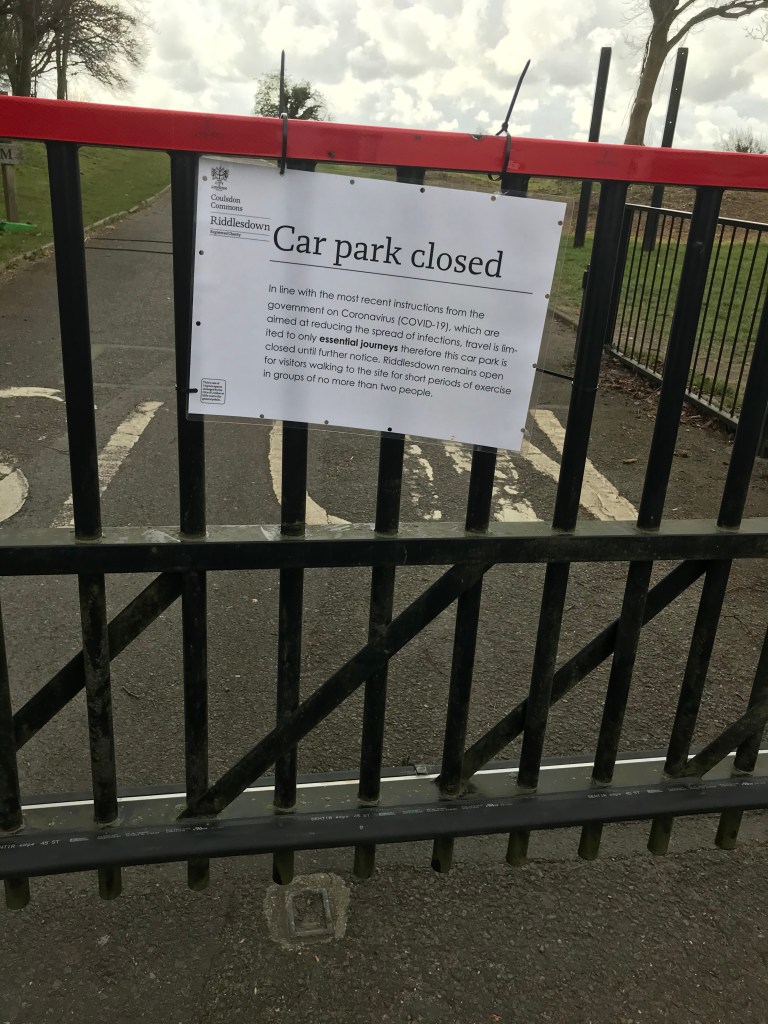
The next morning the streets were indeed empty, and the only real noise was the sound of ambulance sirens. People were told to go to work only if absolutely necessary. They were also allowed to go out to attend to their medical needs, to the shops to buy essentials as infrequently as possible, and to go out for one up and one hour long daily exercise alone or with members of their own household.
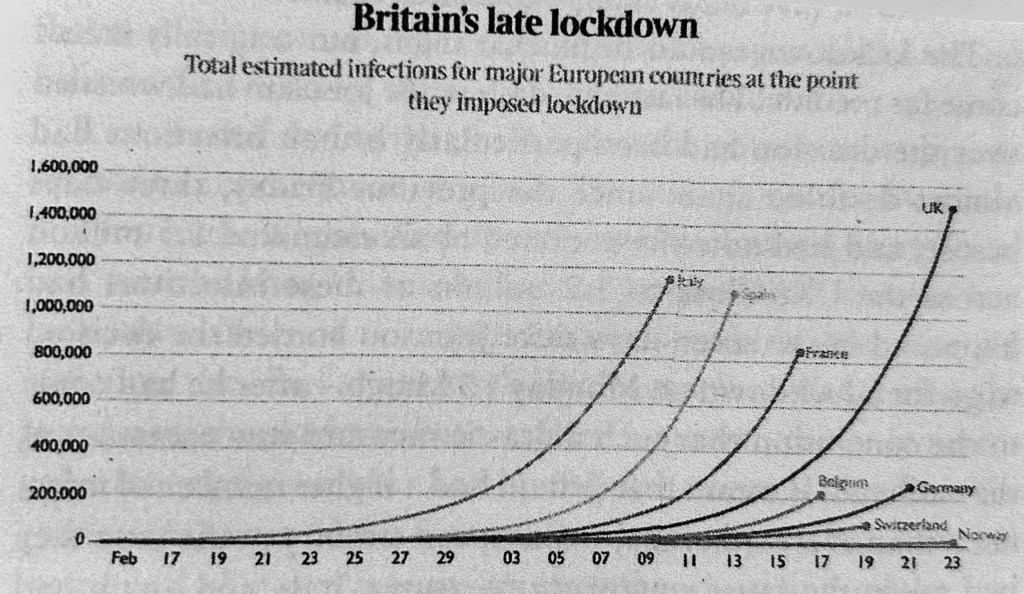
At long last Britain was in lockdown. But we can see from the graph below from Arbuthnott and Calvert, just how late the UK locked down compared with other countries such as Germany which took advantage of the early learning from Western countries such as Italy and Spain that were hit first. The fact was that over the previous few weeks the number of cases had been doubling every three days or so and it is estimated by Imperial College that locking down just one week earlier would have saved tens of thousands of lives.
In the words of Dominic Cummings:
‘I think it is clear that we should have locked down essentially in the first week of March’
and
‘You have got tens and tens of thousands of people who have died, who did not need to die, and massive economic destruction’.
Dominic Cummings evidence to Commons select committee
And commenting in the Bloomberg article cited above , Martin McKee said:
“We closed down too late—that’s clear from the maths,” said Martin McKee, professor of European public health at the London School of Hygiene & Tropical Medicine, who is advising the World Health Organization on the pandemic. “English exceptionalism has been really damaging.”
Richard Horton, editor of the Lancet, writing on 28 March 2020 also summed up the situation in the NHS and beyond very well.
As a result the UK went on to have the highest death rates in Europe, and the second highest in the world by the end of the first lockdown. And throughout the course of the emergency phase of the pandemic the UK spent longer in lockdown than any other country. This was a policy failure on an almost unprecedented scale.
These are some of the lessons that need to be learnt for the future. The most important lesson is of course preparedness for a pandemic, but once one is in a situation where a virus such as Covid-19 is heading towards being out of control – it is not just lockdown per se that is important – it is how and when you do it. At present, if the sterile anti lockdown stance being taken by the media is anything to go by, the UK has failed to learn these lessons. We can only hope that the Covid inquiry report and others will spell out the truth, otherwise we are destined to make the same mistakes in future pandemics as in this one.
Gillian Smith, 21 March 2025


Leave a Reply